



By Fasuyi Tolulope Samuel

In Nigeria and much of West Africa, many people casually group the Hausa and Fulani together as if they are one.
While history and religion have tied them closely, the Fulani are actually a distinct people with their own fascinating identity.

Here are five things you should know about them:
1. They Are Not Hausas
The Fulani (also called Fulɓe or Peul) trace their roots to the Senegambia region before spreading across Africa. Unlike the Hausa, who are mostly concentrated in northern Nigeria, the Fulani are found in more than 20 African countries.
In Nigeria, they are widely spread across states like Adamawa, Gombe, Bauchi, Katsina, Sokoto, Taraba, Niger, and Borno
2. The World’s Largest Nomads
The Fulani are globally recognized as the largest pastoral nomadic group. Their cattle-rearing lifestyle has made them key players in West Africa’s livestock economy.
The Mbororo Fulani, in particular, are famous for their long-distance migration in search of pasture and water.
3. Culture That Commands Respect
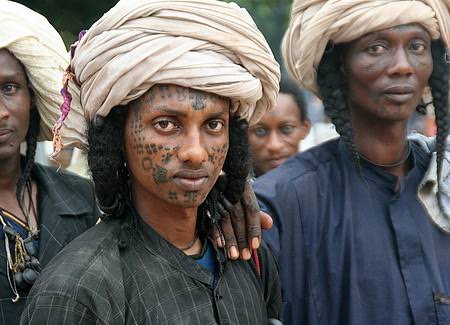
From their elegant embroidered attire to their unique hairstyles and body markings, the Fulani stand out with style. Their Sharo Festival — where young men are flogged to prove bravery — is one of their most famous traditions.
Beauty is highly valued, and Fulani women are often celebrated for their striking looks, adorned with beads and henna designs.
4. Influence in Religion, Politics, and Leadership
The Fulani are among the strongest forces behind the spread of Islam in West Africa. Usman dan Fodio, a Fulani Islamic scholar, founded the Sokoto Caliphate, which remains a major religious and political institution.
Today, many Fulani are in influential positions. Prominent figures include: President Muhammadu Buhari (former Nigerian president)Atiku Abubakar (former Vice President and presidential candidate) Emir of Kano, Muhammadu Sanusi II (former Central Bank Governor) Lamido Sanusi and Sultan of Sokoto, Sa’ad Abubakar III (spiritual leaders).

5. Their Language Is Unique
Though many Fulani in Nigeria speak Hausa due to interaction, their mother tongue is Fulfulde (or Fula). Spoken by over 40 million people across Africa, it is a unifying thread for Fulani communities from Senegal to Sudan.
Conclusion
The Fulani are more than just a footnote in the Hausa-Fulani identity often mentioned in Nigeria. They are a distinct, culturally rich, and influential people whose footprints in politics, religion, and culture continue to shape Nigeria and Africa at large.